
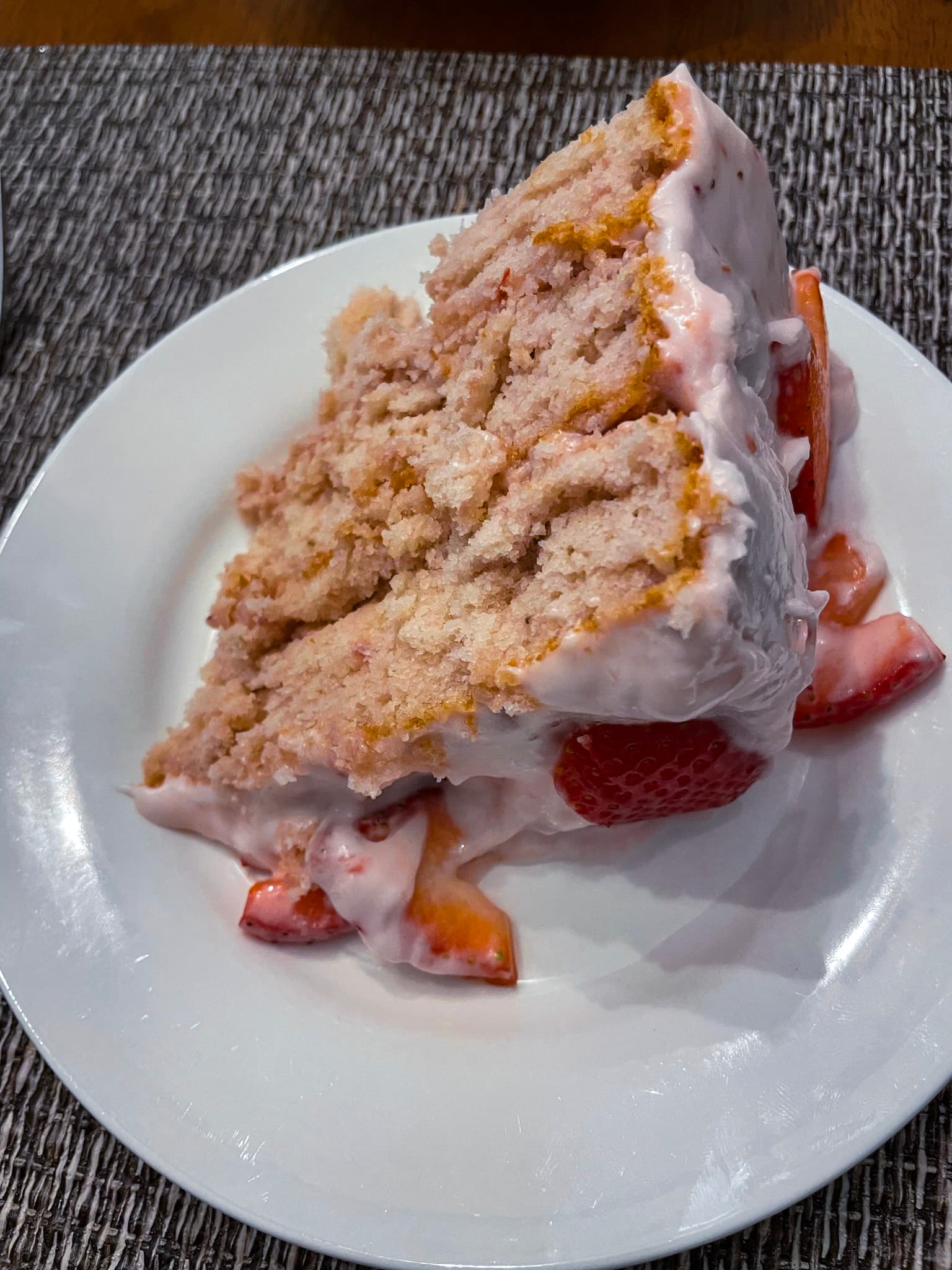
Grandma's Ermine Buttercream (Old-Fashioned Flour Frosting)
This is my grandmother's ermine buttercream — the old-fashioned flour frosting that has been quietly upstaging every cake in my family for as long as anyone can remember. If you've only ever had American buttercream, the kind built on an avalanche of powdered sugar, this is going to feel like a revelation: silky, buttery, genuinely light, and just sweet enough.
Family lore — and I want to be clear that it is lore, not documented history — holds that Grandma got this recipe from a chef at the Waldorf-Astoria. Did a hotel chef really hand my grandmother his frosting recipe? We'll never know. But I choose to believe it, the same way I choose to believe every story she told with that particular glint in her eye.
This frosting also happens to sit at the center of the greatest scandal in this blog's history, which you can read all about below the recipe. But first: the frosting itself, because that's what you came for.
What Is Ermine Frosting?
Ermine frosting — also called flour frosting, boiled-milk frosting, or cooked-flour frosting — is the buttercream your great-grandmother probably made, and it's the frosting red velvet cake originally wore before cream cheese muscled in. The method sounds odd the first time you hear it and makes perfect sense the first time you taste it:
- Cook flour and milk together into a thick, pudding-like paste.
- Cool it completely.
- Whip it into butter that's been creamed with granulated sugar until the whole thing turns into a cloud.
That cooked base is what makes ermine special. It carries the dairy flavor and the structure, so you don't need pounds of powdered sugar to make the frosting hold its shape.
Why It Beats American Buttercream
I'm going to be opinionated here, because this is my blog and that's the arrangement: ermine is simply better than American buttercream for most cakes.
- It's far less sweet. One cup of granulated sugar for the whole batch, versus the four-plus cups of powdered sugar in a typical American buttercream. You taste butter and vanilla instead of pure sugar.
- It's silky, not gritty. The sugar dissolves as you cream and whip, and the cooked base gives it a texture closer to whipped cream than to frosting-tub spackle.
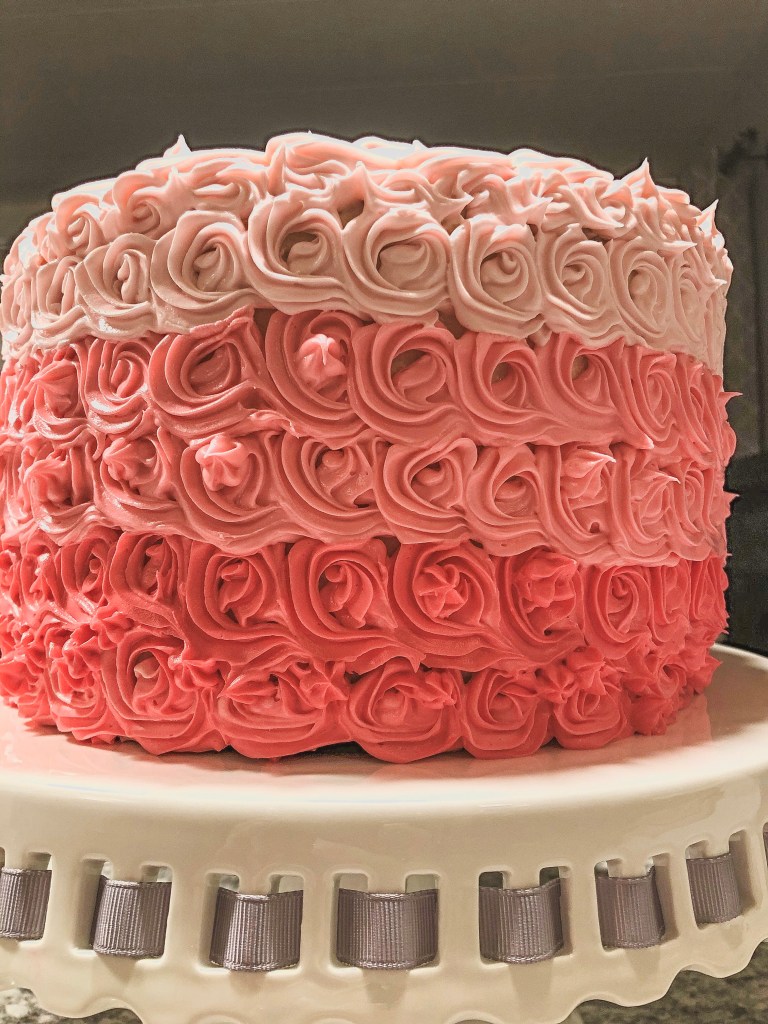
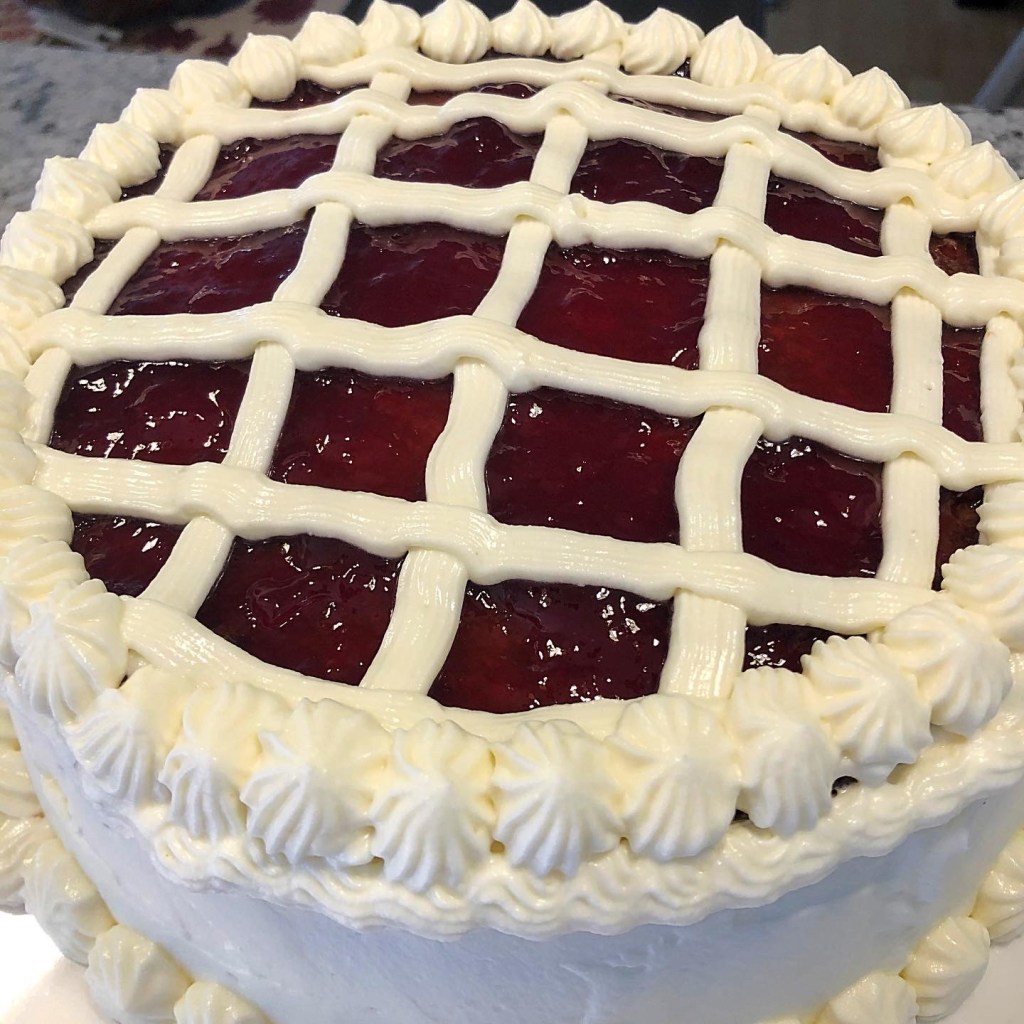
- It spreads and pipes beautifully. Rosettes, lattices, borders — it holds all of them at room temperature.
Fair warning on the trade-offs, because honesty is a theme around here: ermine is softer than American buttercream in a hot kitchen, and it doesn't form that dry crust some decorators rely on. On a July porch, plan accordingly.
The One Rule That Matters: Temperature
If ermine frosting has a reputation for being fussy, it's because of one single thing, and it isn't the cooking — it's the temperature at the moment the two mixtures meet.
The butter and the cooked flour base should be as close to the same cool room temperature as possible when you combine them. That's the whole secret.
- If the flour base is still warm, it melts the butter and you get soup.
- If the base (or the butter) is too cold, the butter seizes into little curds and the frosting looks broken and separated.
Neither is fatal. Keep beating — it very often comes back together on its own. If it stays soupy, the mix is too warm: park the bowl somewhere cool for 10–15 minutes and beat again. If it stays curdled, it's too cold: let it warm up on the counter for a few minutes and beat again. What you should not do is blast it with heat or stick it in the freezer and hope. Patience and the mixer will fix what temperature broke.
This is also why the recipe says to cool the flour base at room temperature rather than in the refrigerator. The fridge cools the outside of the mixture faster than the inside, and it's easy to end up with a base that's cold in some spots, warm in others, and ready to break your emulsion in both directions at once.
Storage (or: Why I No Longer Tell You to Chill It)
A housekeeping note for returning readers: an earlier version of this recipe listed 2 cups of milk and ½ cup plus 2 tablespoons of flour — double the cooked base that one cup of butter and one cup of sugar can actually absorb — and told you to chill the finished frosting before using it. Both of those were wrong, and both are fixed below. If you made the old version and ended up with something loose and strange, that was my error, not yours. Consider this my own scandalous correction.
This frosting is at its absolute best the day it's made, used at room temperature. It does not need to be chilled before spreading — in fact, chilling works against it, because cold butter is exactly what makes it stiffen and break.
That said, life happens. If you need to make it ahead, refrigerate it in an airtight container for up to about five days. Just know what you're signing up for: the fridge firms the butter, so the frosting will come out stiff, and the emulsion may look temporarily broken. To revive it, let it come fully back to room temperature — an hour or two on the counter, and no, you cannot microwave your way out of this — then re-whip it until it's smooth and fluffy again. It comes back beautifully as long as you don't rush it.
Recipe
Dessert · American
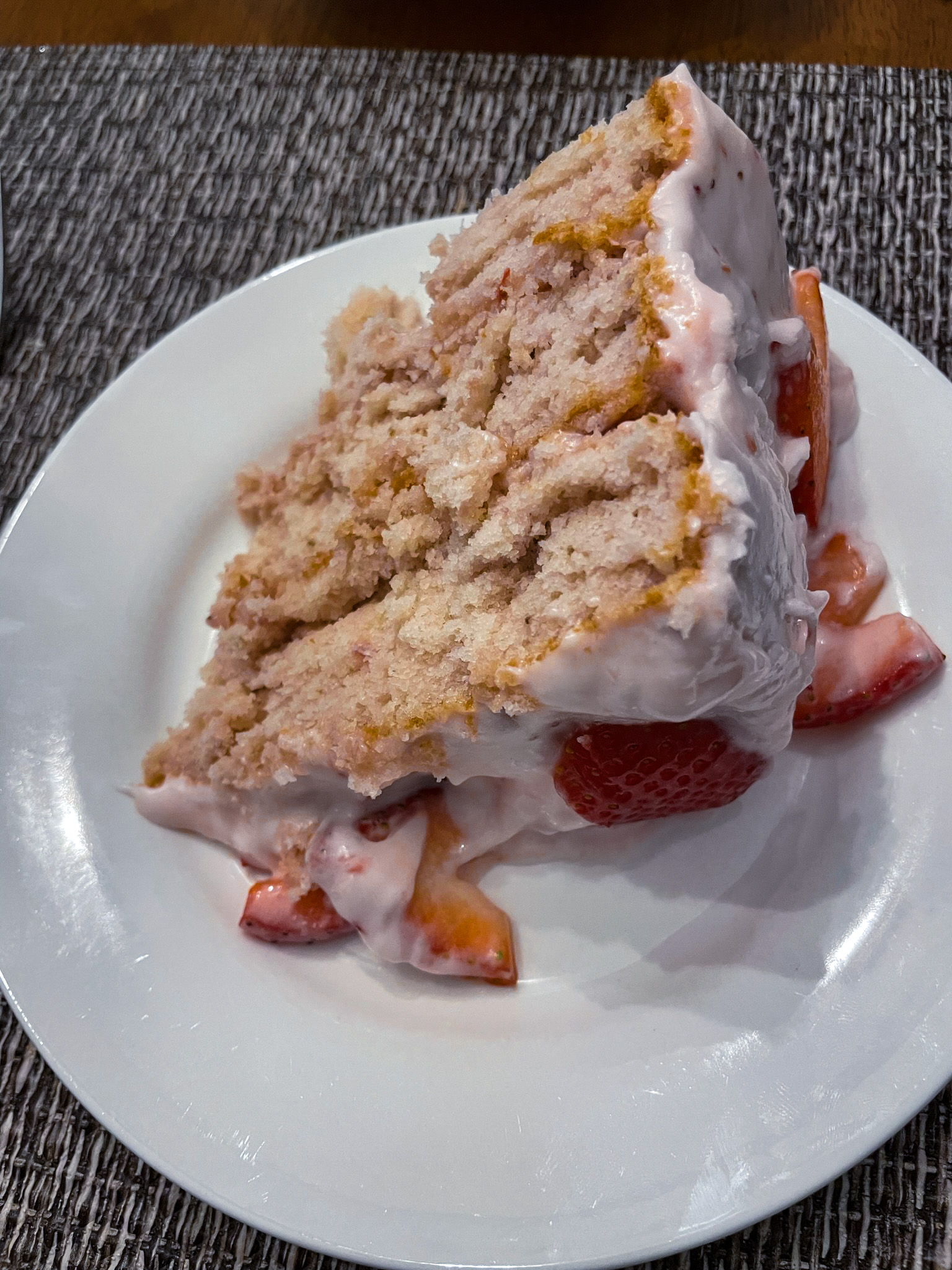
Grandma's Ermine Buttercream (Old-Fashioned Flour Frosting)
My grandmother made the best buttercream I've ever tasted — a silky, old-fashioned ermine frosting whipped up from a cooked flour-and-milk base. She always claimed she got the recipe from a chef at the Waldorf-Astoria. We'll never know if that's true, but this traditional vanilla buttercream is far less sweet than the American kind and complements almost any cake.
Prep
15 min
Cook
10 min
Total
1h 25m
Ingredients
- 1 cup whole milk
- 5 tablespoons all-purpose flour
- 1 cup granulated sugar
- 1 cup unsalted butter (2 sticks, softened to cool room temperature)
- 1 teaspoon vanilla extract
Instructions
Cook the Base:
- 1In a medium saucepan, whisk together the milk and flour until completely smooth before turning on the heat.
- 2Place the saucepan over medium heat and cook, stirring constantly, until the mixture becomes very thick — like a stiff pudding or paste. The whisk should leave clear tracks through it.
- 3Reduce the heat to low and cook, still stirring, for 1–2 minutes more so the flour is completely cooked, then remove from the heat.
- 4Scrape the mixture into a shallow bowl and press a piece of plastic wrap directly onto the surface so it doesn't form a skin. Let it cool completely at room temperature — it should feel cool to the touch, about the same temperature as your softened butter. Do not refrigerate it to speed this up.
Cream the Butter and Sugar:
- 5In a large bowl, cream the softened butter and granulated sugar together until very light and fluffy, 3–5 minutes with a hand mixer or a stand mixer fitted with the paddle attachment. Don't rush this step — it's where the sugar starts to dissolve.
- 6Add the vanilla extract and mix until well combined.
Combine the Mixtures:
- 7With the mixer running, add the completely cooled flour-and-milk mixture to the butter mixture a spoonful at a time, beating well after each addition.
- 8Continue beating on medium-high speed until the frosting is smooth, fluffy, creamy, and stable, and you can no longer feel sugar grains when you rub a bit between your fingers. This can take several minutes — keep going.
Troubleshooting:
- 9If the frosting looks curdled, separated, or soupy, the culprit is almost always temperature — the butter and the cooked base weren't close to the same room temperature. First, just keep beating; it often comes together on its own.
- 10If it stays soupy (too warm), let the bowl sit somewhere cool for 10–15 minutes, then beat again. If it stays curdled (too cold), let it warm up at room temperature for a few minutes, then beat again.
- 11Use to frost cakes or cupcakes right away — it spreads and pipes beautifully at room temperature, no chilling required.
Notes
Yield: roughly 3½–4 cups — enough for a two-layer 8- or 9-inch cake, a 9×13 sheet cake, or about two dozen cupcakes. Total time includes about an hour for the cooked base to cool to room temperature.
Temperature is everything. The butter and the cooked flour base should be as close to the same cool room temperature as possible when they meet. A warm base melts the butter into soup; a cold base seizes it into curds. Both are fixable (see the troubleshooting steps), but easier to avoid.
Storage: This frosting is at its silky best the day it's made, kept at room temperature. If you need to make it ahead, refrigerate it in an airtight container for up to 5 days — but know that the fridge firms the butter and can temporarily break the emulsion. To bring it back, let it come fully to room temperature (1–2 hours on the counter — don't microwave it), then re-whip until smooth and fluffy.
Nutrition facts are honest ballpark estimates per serving, assuming 12 servings — and unlike some food bloggers, they include every last gram of butter. See the nutritional guidance disclaimer.
Nutrition per serving
The Scandalous Slice: How This Frosting Started an Uproar
Now, the drama. I never imagined that my Thanksgiving cake — frosted, filled, and finished with the recipe above — would stir up such a whirlwind of comments. But here we are, in the eye of a sugary storm, where my creation was both adored and admonished for its caloric, sugar, and fat content. It's a cake. An indulgent, once-a-year Thanksgiving cake. It's not meant to be a daily snack, but the crowning glory of a day dedicated to gastronomic excess. And let me tell you, it was divine.
The feedback got me thinking, though. Why was a once-a-year treat under such nutritional scrutiny? Curiosity piqued, I delved into the world of online food blogging to see if others faced similar critique. What I discovered was nothing short of astonishing.
The Portion Size Illusion
As I sifted through various renowned food blogs, I noticed a curious trend: portion-size manipulation. By claiming a cake serves 24 or even 36 people, the nutritional facts per serving become almost laughable. A slice for 36? Unless you're feeding a congregation of calorie-conscious mice, those serving sizes are pure fantasy.
And here I was, naively believing that honesty was the best policy, stating that my decadent cake served a mere 10 people. But as I learned, in the world of online food blogging, transparency about your cake might just be a recipe for controversy.
The Frosting Fallout
The other masterstroke of selective disclosure? Many bloggers list nutritional facts for their cake recipes while conveniently leaving out the frosting — the literal icing on the cake, where a significant chunk of the calories lurk. Insert my shocked face here.
I included the frosting in my nutritional breakdown because, in my world, a cake without frosting is like a birthday without a song — incomplete and slightly disappointing. And when the frosting is a full cup of butter whipped into silk, pretending it doesn't exist is more than an oversight; it's fiction. Yet that decision seemingly catapulted my cake into a different stratosphere of scrutiny. You'll notice the recipe card above still counts every gram of butter. I regret nothing.
The Reality of Indulgence
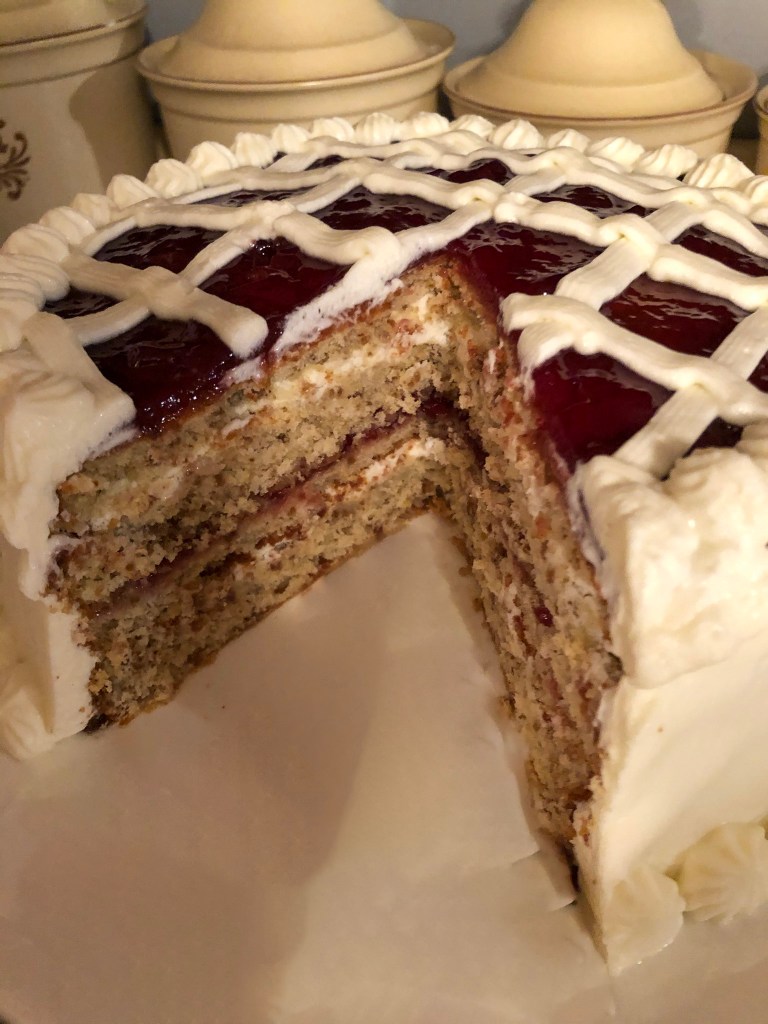
Amidst this scandalous discovery, I came to a realization. We are in an era of health-consciousness, where every morsel is analyzed for its nutritional value. But in this pursuit, have we forgotten the joy of occasional indulgence? My Thanksgiving cake was never meant to be health food. It was a celebration — a once-a-year splurge designed to delight, not to conform to dietary guidelines.
So, to everyone who loved the cake for what it was: thank you. To the critics — I understand, but I urge you to remember what holidays are for. Togetherness, celebration, and yes, sometimes, a little overindulgence. Enjoy the cake, and also enjoy your salads, your smoothies, and your workouts. Life is too short to always count calories, especially on Thanksgiving.
The Final Crumb
To my fellow food bloggers: let's be real with our readers. If we're making a cake that's rich, let's own it — frosting included. And as for this frosting, it will remain a staple of every celebration in my house, exactly as my grandmother made it, Waldorf-Astoria pedigree or not. Some recipes earn their scandal.
Rate this recipe
Be the first to rate it